Simple Color Changes That Improve Comfort, Mood, and Daily Living
Walls shape how a home feels more than most people expect. Color affects mood, light, and how rooms connect. When walls look worn or outdated, the whole space can feel tired. A fresh coat of paint can change that feeling fast. It can make rooms feel cleaner, brighter, and more personal. This topic matters to homeowners who want change without major remodeling. Understanding how paint works helps you plan results that last and fit your daily life.
How Fresh Paint Improves Daily Comfort
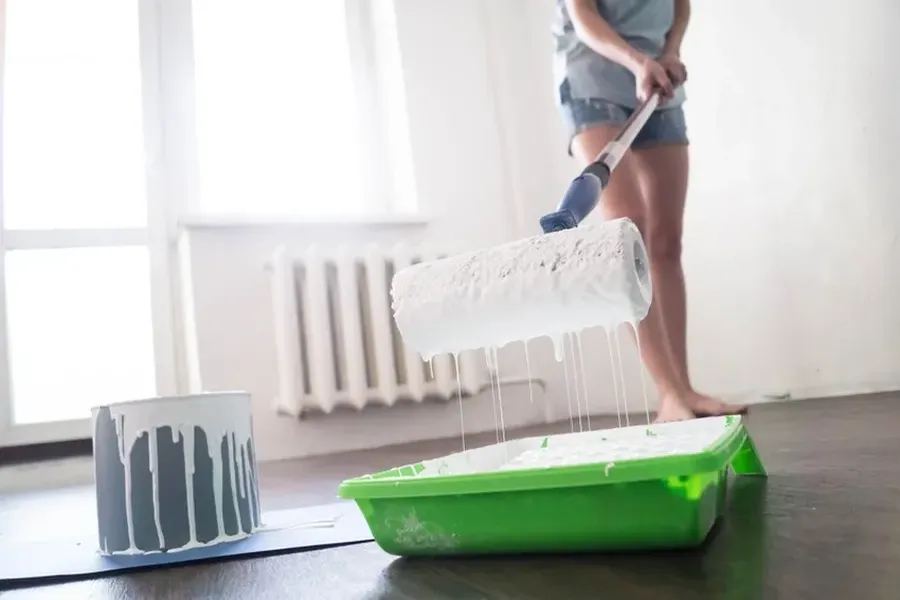
Interior painting gives rooms an instant lift through color and finish choices. Lighter shades can help small rooms feel open. Warmer tones can make large rooms feel calm and grounded. Modern paints also help with air quality. Many products now release fewer fumes and odors. That means safer air for families and pets. Clean lines and even coverage also reduce visual clutter and stress. These changes support better focus, rest, and daily comfort.
Emotional Impact and Common Room Problems
Interior painting also addresses common living space frustrations. Scuffed walls, faded colors, and uneven patches can affect how you feel at home. These issues often build slowly, so they get ignored. Over time, rooms may feel dull or neglected. Color can also clash with furniture or lighting changes. Busy patterns or old trends may cause visual fatigue. These problems make spaces less relaxing and harder to enjoy.
Steps That Lead to Lasting Results
A structured process helps ensure results that last. Skipping steps can lead to peeling, streaks, or early fading. A proper plan saves time and cost over the long term.
- Inspect walls for cracks, stains, or moisture damage
- Clean surfaces to remove dirt and oil buildup
- Repair holes and sand rough areas smooth
- Apply primer to seal repairs and balance color
- Paint using even strokes and proper drying time
Best Practices That Protect Your Investment
Experts follow proven habits that improve finish quality and lifespan. These practices reduce callbacks and future touch-ups. You can also use them to judge work quality.
- Use painter tape to protect trim and edges
- Select finishes based on room use and moisture
- Allow full drying time between coats
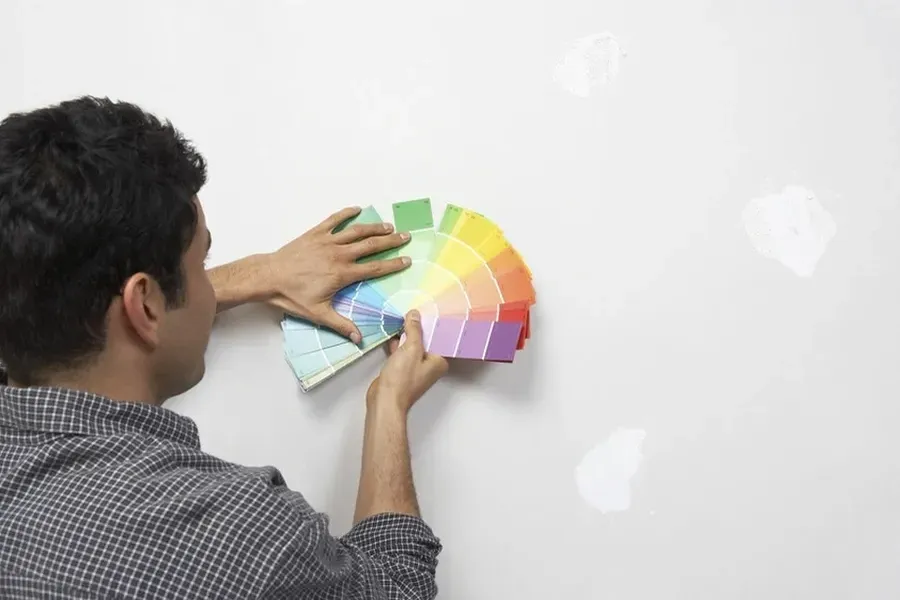
- Test colors on walls before final choice
Pros and Cons of Updating Walls
Painting has clear advantages, but it also has limits. Knowing both helps you decide the right timing and scope.
- Pros: Fast change, lower cost than remodeling, flexible color options
- Cons: Temporary disruption, prep work time, need for future refresh
Quality Standards and Safety Factors
Industry standards guide safe and durable results. Many states follow guidelines for low-VOC paint levels. VOCs are fumes that affect air quality. Low-VOC options support safer indoor air. Proper ventilation during work is also critical. Lead-safe practices are required in older homes built before 1978. Following these rules protects residents and workers.
Cost Factors and Value Over Time
Costs depend on room size, surface condition, and paint type. Labor often makes up most of the price. Higher-grade paint can cost more upfront, yet it often lasts longer. Neutral colors may also support resale value. When done right, refreshed walls reduce future maintenance needs. That adds long-term value beyond the initial expense.
Smart Planning With Help From Trusted Professionals
Located in Escondido, CA, we help homeowners plan color updates that suit real life. Pro Home Improvement focuses on clean work, clear timelines, and lasting results. We handle preparation, safety, and detail from start to finish. Call (760) 658-1216 to discuss goals, costs, and scheduling with a team that values long-term comfort and care.